Description
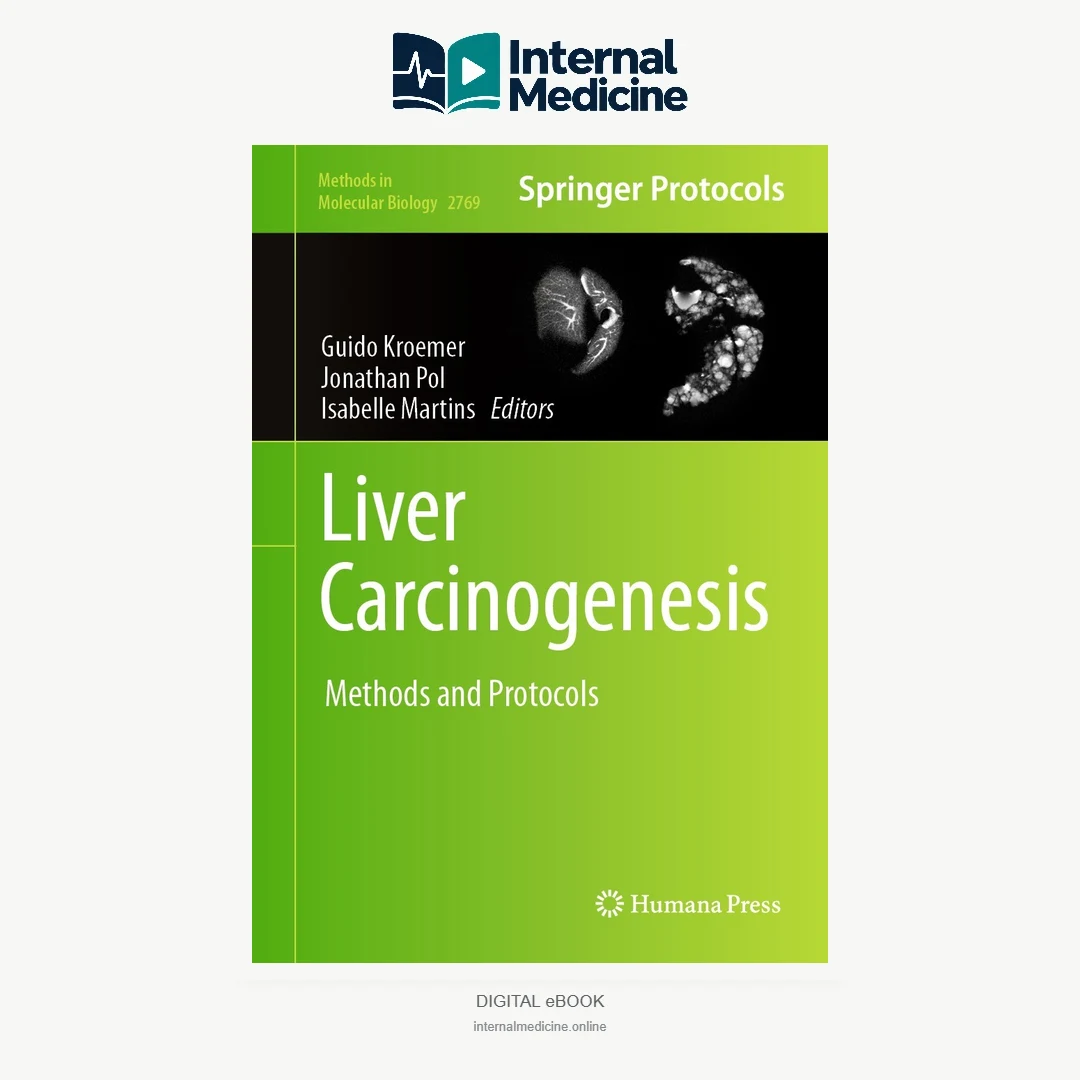
📘 Liver Carcinogenesis: Methods and Protocols — 2024 PDF
🔎 About This Medical eBook
Liver Carcinogenesis: Methods and Protocols brings together experimental techniques for understanding the formation, development and characterization of primary liver malignancies. The book examines models of hepatocellular carcinoma and cholangiocarcinoma, linking experimental design with methods for studying tumor cells and their tissue environments.
Inside the Book
- Orthotopic hepatocellular carcinoma models and chemically induced tumorigenesis.
- Preclinical models that combine dietary interventions with experimental hepatocarcinogenesis.
- Hydrodynamic transfection approaches used in liver cancer investigation.
- Selected models of cholangiocarcinoma and biliary tract malignancies.
- Collection, isolation and characterization of hepatic cell populations.
- Histopathological, cellular and biochemical study of liver tumor specimens.
- Methods for analyzing how metabolic or experimental changes influence tumor characteristics.
How the Material Is Organized
Early chapters focus on research models and on what each model can reveal about liver cancer biology. Later material addresses analytical techniques used to examine malignancies at cellular and tissue levels. The progression helps readers connect a research question with model selection, sample handling and the limitations of particular assays. This is a laboratory methods text rather than a clinical treatment guideline or bedside manual.
Intended Readers
Cancer biologists, hepatology researchers, experimental pathologists, molecular biologists, postgraduate students and other investigators studying hepatocellular carcinoma or cholangiocarcinoma.
Publication Details
Editors: Guido Kroemer, Jonathan Pol and Isabelle Martins.
Series: Methods in Molecular Biology, Volume 2769.
Year: 2024.
Publisher: Humana / Springer Nature.
eBook ISBN: 9781071636947.
Language: English.
Format: Downloadable PDF eBook.
What the PDF Includes
This is a digital book listing. It does not include biological samples, laboratory reagents, equipment, datasets, access to third-party platforms or practical laboratory training. Chapter methods are research references and should be interpreted alongside the most recent scientific evidence and applicable laboratory safety requirements.
✨ Explore This Reference
Review the specific topics, readership and edition details above to see whether this book fits your academic or professional reference needs.